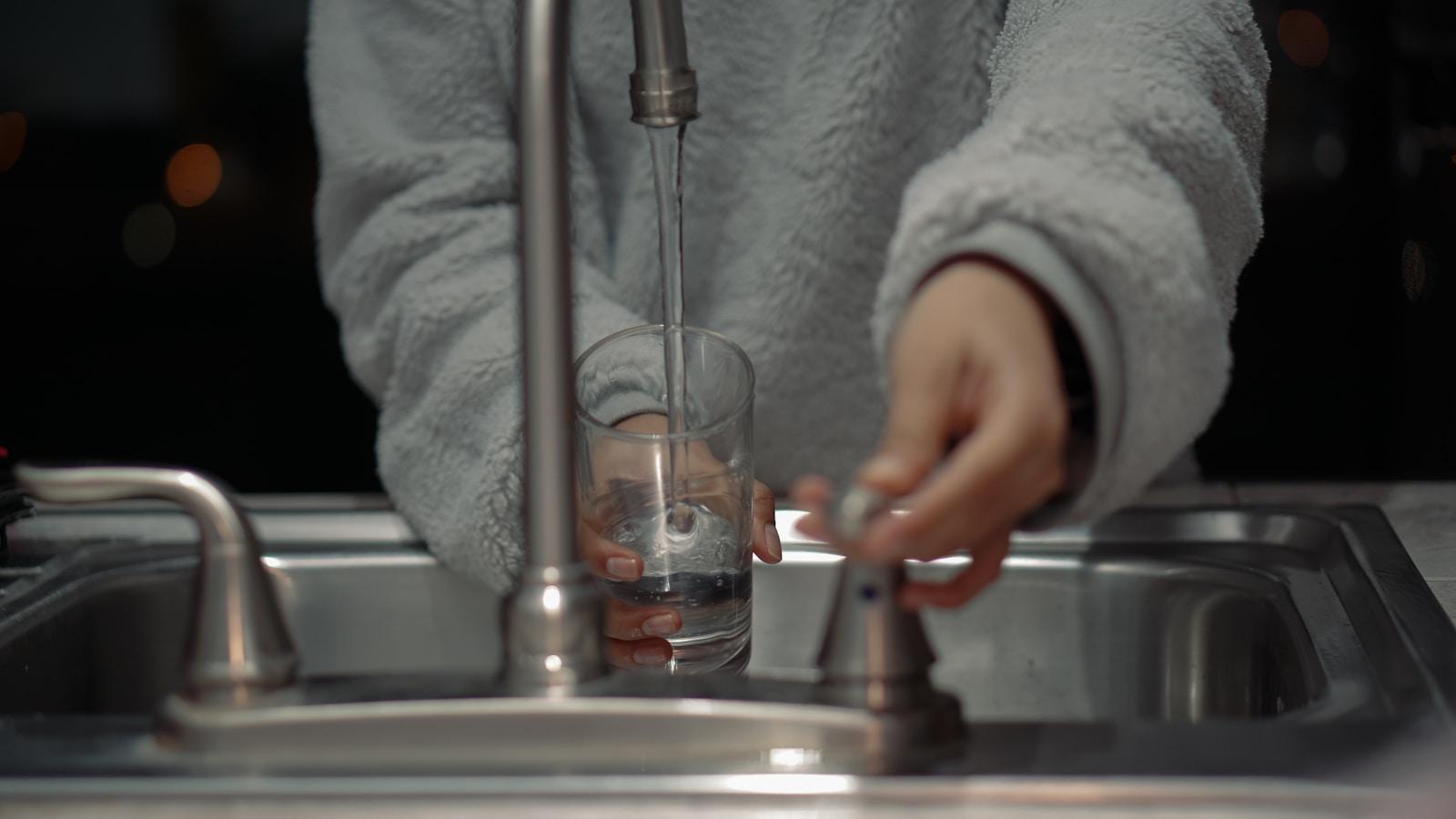
Water is essential, yet rising costs can make it difficult for families to keep up with monthly bills. Across the United States, states and local agencies have developed programs to help households maintain access to safe, affordable water. These initiatives range from direct bill payment assistance to conservation rebates and emergency relief funds. Below are ten of the most impactful state programs that help with water bills, explained in detail.
1. Low Income Household Water Assistance Program (LIHWAP)
Although federal funding for LIHWAP has ended, many states continue to operate similar programs modeled after it. LIHWAP provided grants to states to help low-income households pay water and wastewater bills. States like California, New Jersey, and Pennsylvania adapted LIHWAP structures into ongoing water assistance programs. These programs prevent shut-offs, reconnect service, and reduce arrears for families in need.
2. California Water Assistance Programs
California has one of the most comprehensive water relief frameworks. The Low-Income Water Rate Assistance Program (LIWRA) offers discounts on water bills for qualifying households. In addition, local utilities like the Los Angeles Department of Water and Power provide hardship programs and payment extensions. California also invests in conservation rebates, helping families lower long-term costs by upgrading fixtures and appliances.
3. New Jersey Department of Community Affairs Utility Assistance
New Jersey integrates water bill relief into its broader Utility Assistance Programs. Through the Department of Community Affairs, households can apply for help with water, sewer, heating, and electricity bills. The state’s Universal Service Fund and Payment Assistance for Gas and Electric (PAGE) program also coordinate with water utilities to prevent disconnections.
4. Pennsylvania Customer Assistance Programs (CAP)
Pennsylvania requires major water utilities to offer Customer Assistance Programs. These programs provide reduced rates, arrearage forgiveness, and payment plans. For example, the Philadelphia Water Department offers income-based billing, ensuring households pay only what they can afford. CAP programs are designed to keep vulnerable families connected to essential services.
5. Texas Emergency Utility Assistance
Texas operates emergency utility assistance through local Community Action Agencies. These agencies provide grants for water bills, especially during droughts or extreme weather. Programs often prioritize seniors, disabled residents, and families with children. Texas also encourages utilities to offer deferred payment plans and hardship discounts.
6. Illinois Low-Income Water Bill Assistance
Illinois has expanded its utility relief programs to include water bills. Through partnerships with local governments and nonprofits, households can apply for grants to cover overdue water and sewer charges. The state also promotes conservation rebates, helping families reduce usage and lower bills over time.
7. New York Water Affordability Programs
New York City operates a Water and Sewer Bill Assistance Program that provides credits to low-income households. The program is linked to the city’s Home Energy Assistance Program (HEAP), ensuring families receive comprehensive utility support. New York also offers payment extensions and hardship relief through local water authorities.
8. Florida Community Water Assistance
Florida’s Community Action Agencies administer water bill assistance alongside energy relief programs. Families facing shut-offs can apply for emergency grants to restore service. Florida also invests in conservation education, encouraging households to adopt water-saving practices. These combined efforts reduce both immediate and long-term costs.
9. Ohio Percentage of Income Payment Plan (PIPP) Plus
Ohio’s PIPP Plus program is primarily known for energy bills, but many water utilities in the state have adopted similar income-based billing structures. Under these programs, households pay a percentage of their income toward water bills, ensuring affordability. Ohio also provides emergency assistance through local nonprofits and county agencies.
10. Community Action Agency Water Relief Programs Nationwide
While not limited to one state, Community Action Agencies across the country administer water bill assistance programs tailored to local needs. These agencies often manage federal and state funds, providing direct grants, payment plans, and referrals to nonprofit partners. Programs prioritize households with shut-off notices, seniors, and families with children.
Why These Programs Matter
Water is a basic necessity, and disconnection can have severe consequences for health and safety. State programs ensure that families maintain access to clean water, even during financial hardship. By combining direct bill assistance with conservation initiatives, these programs provide both immediate relief and long-term sustainability.
From California’s LIWRA to New Jersey’s DCA programs and Pennsylvania’s CAP initiatives, states across the U.S. are stepping up to help households manage water costs. These programs prevent shut-offs, reconnect service, and promote conservation. For families struggling with bills, exploring state water assistance programs can make the difference between losing service and maintaining stability.
Frequently Asked Questions
Is federal help with water bills still available? Federal funding for the Low Income Household Water Assistance Program (LIHWAP) has ended, but many states kept similar programs running under their own structures. States like California, New Jersey, and Pennsylvania adapted the LIHWAP model into ongoing water assistance, so check your state’s current program rather than assuming help disappeared.
How does Pennsylvania’s Customer Assistance Program work? Major water utilities in Pennsylvania are required to offer reduced rates, arrearage forgiveness, and payment plans through their Customer Assistance Programs. The Philadelphia Water Department, for example, offers income-based billing so you pay only what you can afford.
What if I don’t live in one of the states mentioned in these examples? Community Action Agencies operate nationwide, not just in the ten states highlighted here, and they administer federal and state funds for water bill grants, payment plans, and referrals. Contact your local agency to see what is available where you live.
Who typically gets priority for water bill assistance? Programs generally prioritize households that have already received a shut-off notice, along with seniors and families with children. Applying before service is disconnected gives you a better chance of approval than waiting until after.
How does an income-based program like Ohio’s PIPP Plus work? Under this type of plan, you pay a set percentage of your income toward your bill instead of the full charge, which keeps payments affordable even during hardship. Ohio also backs this up with emergency assistance through local nonprofits and county agencies for households that need extra help.



Leave a Reply