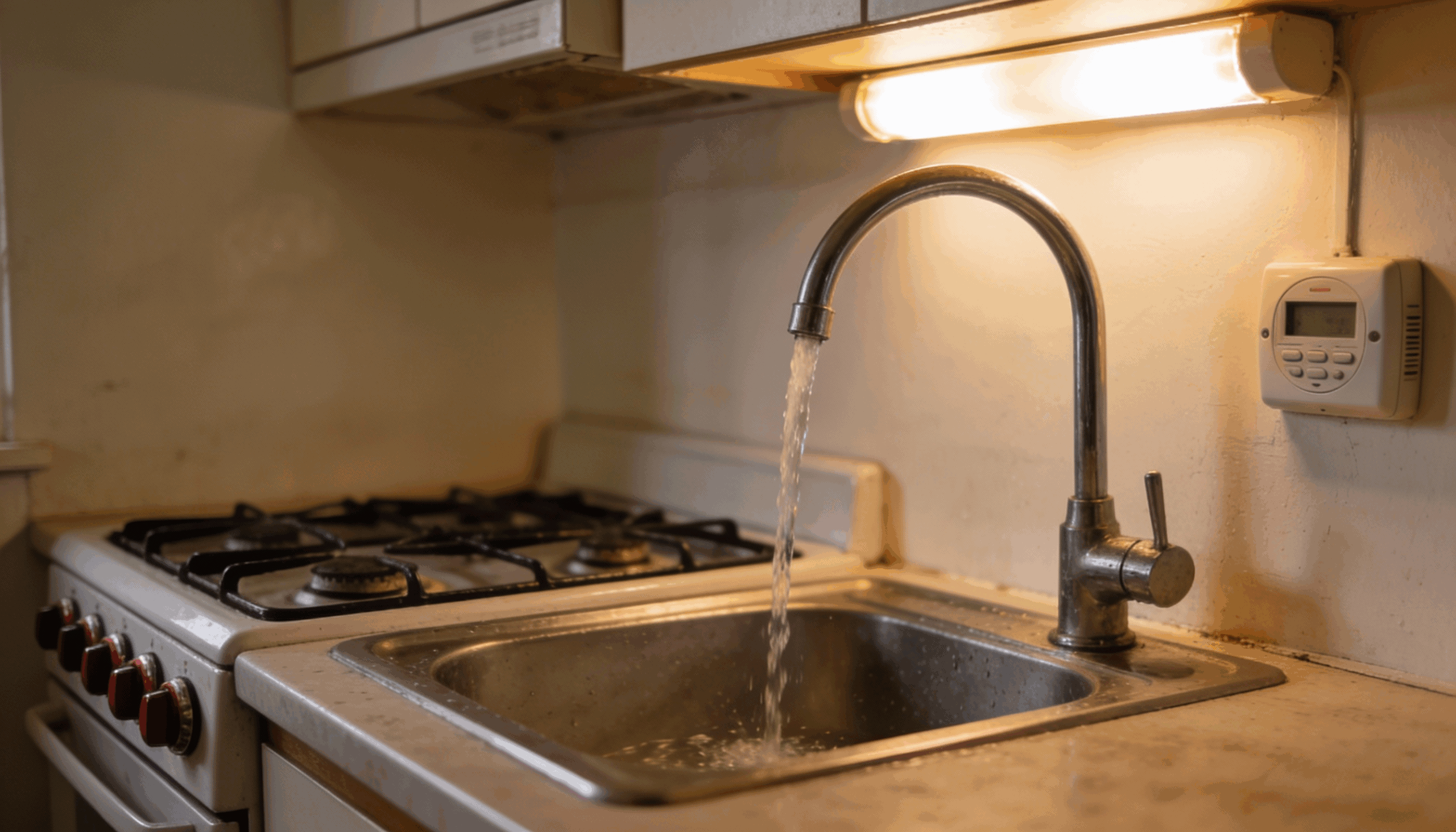
For many U.S. households, utility bills are one of the most unpredictable (and stressful) monthly expenses. A single heat wave, cold snap, or unexpected income loss can cause electricity, gas, water, or sewer bills to spike overnight. When that happens, people often search for “utility grants” or “free help with bills” and quickly encounter confusing or misleading information online.
The reality is this: legitimate utility assistance programs do exist in the United States, and many do not require repayment. However, they are rarely marketed as “grants” and are typically administered through federal-state partnerships, local agencies, and utility providers themselves. Understanding how these programs work—and which services they cover—can help households stay connected and avoid unnecessary shutoffs.
What Is Utility Assistance?
Utility assistance refers to programs that help eligible households pay for essential services such as:
- Electricity
- Natural gas
- Heating fuel (oil, propane, wood)
- Water and sewer services
- In some cases, trash or wastewater fees
These programs are designed to ensure households can maintain basic living standards, especially during periods of financial hardship, extreme weather, or temporary income disruption.
Unlike loans, utility assistance does not require repayment. Funds are usually paid directly to utility providers on behalf of the household, reducing or preventing overdue balances.
The Most Well-Known Program: LIHEAP
The Low Income Home Energy Assistance Program (LIHEAP) is the primary federal program that helps households with heating and cooling costs. It is funded by the federal government and administered by states, tribes, and local agencies.
Official LIHEAP overview:
https://www.acf.hhs.gov/ocs/programs/liheap
LIHEAP may help with:
- Electricity and gas bills
- Heating oil, propane, or wood
- Cooling costs during extreme heat
- Energy-related emergencies and shutoff prevention
USA.gov explains how LIHEAP fits into broader energy-bill assistance.
https://www.usa.gov/help-with-energy-bills
While LIHEAP is widely known among social service agencies, many eligible households never apply simply because they don’t realize the program exists or assume they won’t qualify.
Utility Assistance Beyond Electricity and Gas
Water and Sewer Assistance Programs
Water and sewer bills are often overlooked in discussions about utility help, yet unpaid water bills can result in service disconnection just like electricity or gas.
Some states and municipalities offer water-specific assistance programs, and many local governments partner with nonprofit organizations to provide emergency help. The availability of water assistance varies widely by location.
USA.gov offers guidance on finding help with water bills through local agencies.
https://www.usa.gov/help-with-utilities
Because water systems are typically managed locally, assistance programs are often administered at the city or county level rather than federally.
Utility Provider Hardship Programs
Many electric, gas, and water utilities offer their own customer assistance or hardship programs, which may include:
- Payment plans
- Bill forgiveness or credits
- Temporary suspension of shutoffs
- Medical baseline or senior discounts
These programs are not grants from the federal government, but they can provide immediate relief and are often coordinated with public assistance programs like LIHEAP.
Consumers can often find these options by contacting their utility provider directly or checking the provider’s official website.
Emergency Utility Assistance
Emergency utility assistance is designed for households facing imminent shutoff or already disconnected service. These programs may be available year-round or activated during extreme weather events.
Emergency assistance may help cover:
- Past-due balances
- Reconnection fees
- Crisis energy needs
Because emergency funds are limited, applications are often processed on a first-come, first-served basis.
Calling 211 is one of the most effective ways to find emergency utility help in your area.
https://www.fcc.gov/consumers/guides/dial-211-essential-community-services
https://www.211.org
Weatherization: Reducing Bills Long-Term
While utility assistance helps with immediate costs, weatherization programs aim to reduce future energy bills by improving home efficiency.
The Weatherization Assistance Program (WAP) provides free energy-efficiency improvements to eligible households, such as insulation, air sealing, and heating system repairs.
Official WAP information:
https://www.energy.gov/wap
Weatherization does not provide cash assistance, but it can significantly lower monthly utility costs over time—especially for older homes.
Who Qualifies for Utility Assistance?
Eligibility varies by program and location, but most utility assistance programs consider:
- Household income
- Household size
- Energy burden (percentage of income spent on utilities)
- Presence of vulnerable household members (children, older adults, people with disabilities)
Some programs prioritize households facing immediate shutoff or extreme weather conditions.
USA.gov’s Benefit Finder tool can help identify utility and other assistance programs based on individual circumstances.
https://www.usa.gov/benefit-finder
Why Utility Assistance Feels “Hidden”
Many people assume utility help doesn’t exist because:
- Programs are administered locally
- Applications may only open during certain seasons
- Funding is limited and runs out quickly
- Assistance is not labeled as a “grant”
As a result, households often discover these programs only after receiving shutoff notices—when options may be more limited.
Avoiding Utility Assistance Scams
Scammers frequently exploit utility shutoff fears. The Federal Trade Commission warns consumers to be cautious of anyone who:
- Claims they can guarantee utility assistance
- Asks for payment to access government programs
- Demands immediate payment via gift cards or wire transfers
- Pretends to be a utility company demanding urgent payment
Official FTC guidance on utility and government scams:
https://consumer.ftc.gov/articles/government-grant-scams
Legitimate utility assistance programs never charge application fees.
What to Do If You’re Struggling With Utility Bills
If you’re having trouble keeping up with utility costs:
- Contact your utility provider and ask about hardship programs
- Apply for LIHEAP through your local agency
https://www.acf.hhs.gov/ocs/map/liheap-map-state-and-territory-contact-listing - Call or visit 211 for local emergency assistance
- Check USA.gov for utility and benefits guidance
https://www.usa.gov/help-with-utilities
Acting early—before disconnection—can significantly increase your options.
Conclusion
Utility assistance programs in the United States are not secret handouts or “free money” schemes; they are essential safety-net resources designed to keep households connected to basic services. From LIHEAP and emergency assistance to water-bill help and weatherization programs, real support exists for electricity, gas, water, and more. The challenge is not a lack of programs, but a lack of awareness and centralized access. By using official government resources, contacting local agencies, and avoiding offers that sound too good to be true, households can find legitimate help, reduce financial stress, and maintain the essential services that make daily life possible.
Frequently Asked Questions
Does utility assistance cover more than just electricity and gas? Yes, depending on your state and local programs, utility assistance can also help with heating fuel like oil or propane, water and sewer bills, and in some cases trash or wastewater fees. Funds are usually paid directly to your provider rather than given to you as cash, and none of it needs to be repaid.
What’s the difference between LIHEAP and my utility company’s own hardship program? LIHEAP is a federally funded program administered through state and local agencies, while your utility provider may separately offer its own payment plans, bill credits, or shutoff suspensions. These two aren’t mutually exclusive, so it’s worth asking your utility company about their hardship options in addition to applying for LIHEAP.
How do I get help with a water or sewer bill specifically? Water assistance is typically handled locally by cities or counties rather than through a federal program like LIHEAP, so availability depends heavily on where you live. USA.gov’s utility assistance page is a good starting point, or you can call 211 to be connected with local water assistance options.
What if my service is already about to be shut off? Emergency utility assistance exists specifically for households facing imminent or already occurred disconnection, and it can help with past due balances, reconnection fees, and crisis energy needs. Because emergency funds are limited, applications are often handled first come first served, so calling 211 or your local LIHEAP office right away matters.
Is there a way to lower my utility bills permanently instead of just getting one time help? Yes, the Weatherization Assistance Program provides free efficiency upgrades like insulation, air sealing, and heating system repairs that can meaningfully lower your bills over time, especially in older homes. It doesn’t provide cash, but it addresses the underlying cost rather than just a single month’s balance.



Leave a Reply