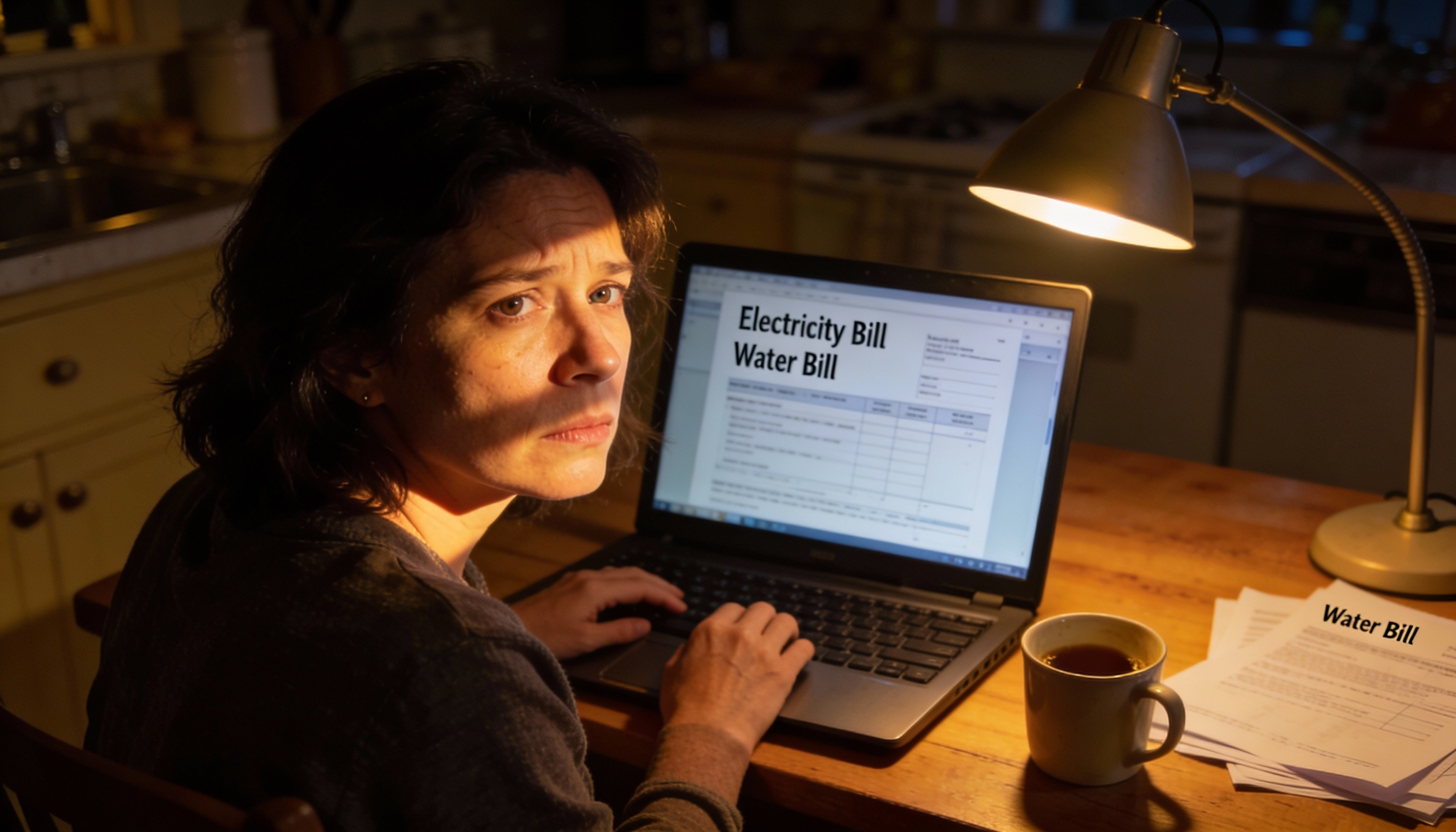
For millions of Americans, high energy bills are more than an inconvenience, they’re a serious financial strain. Heating and cooling costs often spike during extreme weather, forcing families to choose between keeping the lights on and paying for food, rent, or medicine. While social media is full of vague promises about “energy grants” or “free utility money,” one of the most legitimate and long-standing assistance programs in the United States is LIHEAP, the Low Income Home Energy Assistance Program.
LIHEAP is not a loan, does not need to be repaid, and has helped households manage energy costs for decades. Yet many eligible people don’t know it exists, don’t realize they qualify, or assume it’s too complicated to apply. Understanding how LIHEAP works (and what it can and cannot do) can make a meaningful difference during periods of financial stress.
What Is LIHEAP?
The Low Income Home Energy Assistance Program (LIHEAP) is a federally funded program designed to help eligible low-income households pay their home energy bills. The program is overseen by the U.S. Department of Health and Human Services (HHS) and administered at the state, tribal, and local levels.
Official program overview:
https://www.acf.hhs.gov/ocs/programs/liheap
LIHEAP assistance is not a loan. It does not have to be repaid, and it does not affect credit scores. Funds are typically paid directly to utility providers on behalf of eligible households, rather than given as cash.
What LIHEAP Actually Helps Pay For
LIHEAP assistance can be used for more than just heating bills. Depending on the state and funding availability, the program may help with:
- Heating costs (gas, electric, oil, propane, wood)
- Cooling costs (including electricity during hot weather)
- Energy-related emergencies (such as utility shutoff notices)
- Crisis assistance for households facing immediate loss of service
According to USA.gov, LIHEAP is specifically intended to help households “meet their immediate home energy needs.”
https://www.usa.gov/help-with-energy-bills
This flexibility is especially important during extreme weather events, when energy usage (and bills) can rise quickly.
Who Is Eligible for LIHEAP?
Eligibility for LIHEAP is determined at the state or local level, but federal guidelines provide a general framework. In most cases, eligibility is based on household income, household size, and energy costs.
Many states prioritize households that include:
- Older adults (age 60 or older)
- Young children
- Individuals with disabilities
- Households facing disconnection or energy emergencies
Income limits are typically set as a percentage of the federal poverty level or state median income. Because limits vary by location, the best way to confirm eligibility is through your state or local LIHEAP office.
USA.gov provides a starting point for locating local energy assistance programs:
https://www.usa.gov/help-with-energy-bills
Why LIHEAP Feels “Hidden” to So Many People
LIHEAP isn’t hidden in the sense of being secret, but it is decentralized, which means it doesn’t operate from one national application website. Instead, states distribute funds through local agencies, community action programs, or social service offices.
This creates several challenges:
- Application periods may be limited to certain months
- Funding can run out before everyone who qualifies applies
- Each state has its own documentation requirements
- Outreach varies widely by region
As a result, many people don’t hear about LIHEAP until they’re already facing a shutoff notice—or they assume the program no longer exists.
How to Apply for LIHEAP
Because LIHEAP is administered locally, there is no single federal application. Instead, applicants must contact their state, tribal, or local LIHEAP office.
You can find your local LIHEAP office through HHS:
https://www.acf.hhs.gov/ocs/map/liheap-map-state-and-territory-contact-listing
Or by calling 211, a nationwide referral service that connects individuals to local assistance programs:
https://www.fcc.gov/consumers/guides/dial-211-essential-community-services
Typical application requirements may include:
- Proof of income
- Recent utility bills
- Proof of residency
- Identification for household members
Applying early is critical, as many programs operate on a first-come, first-served basis until funds are exhausted.
LIHEAP vs. “Energy Grants” You See Online
Many online posts refer to “energy grants” or “free utility money,” but few explain what those programs actually are. In reality, LIHEAP is the primary federal program that functions like an energy grant for households.
The Federal Trade Commission warns that offers claiming you can receive “free government money” for utilities—especially if they require a fee or guarantee approval—are often scams.
https://consumer.ftc.gov/articles/government-grant-scams
Legitimate LIHEAP assistance:
- Never requires an application fee
- Never guarantees approval
- Does not ask for payment information upfront
- Is administered by verified agencies
If someone asks you to pay to “unlock” LIHEAP funds, it is not legitimate.
How LIHEAP Works With Other Energy Programs
LIHEAP often works alongside other energy-related assistance programs. For example:
- Weatherization Assistance Program (WAP) helps reduce long-term energy costs by improving home efficiency through insulation, sealing, and upgrades.
https://www.energy.gov/wap - Utility companies may offer payment plans or hardship programs that coordinate with LIHEAP assistance.
Receiving LIHEAP does not automatically enroll you in other programs, but local agencies often provide referrals when available.
Timing Matters: When to Apply
One of the biggest reasons people miss out on LIHEAP is timing. Many states open applications before winter or summer peak seasons, and once funds are depleted, assistance may no longer be available until the next funding cycle.
Applying early—even if you are not yet behind on bills—can improve your chances of receiving help.
Conclusion
High energy bills are a real and growing burden for many U.S. households, especially during periods of extreme weather and financial uncertainty. LIHEAP exists to help bridge that gap, not with loans or promises of “free money,” but with real, non-repayable assistance designed to keep homes safe and livable. While the program may feel hard to find, it is legitimate, federally funded, and locally administered to reach those who need it most. By understanding how LIHEAP works, applying early, and relying on official resources instead of online rumors, households can access meaningful support and avoid falling victim to scams. For those struggling to keep up with energy costs, LIHEAP isn’t a hidden secret, but it’s a vital lifeline that too many people simply haven’t been told about.
Frequently Asked Questions
Is LIHEAP a loan I’ll need to pay back? No, LIHEAP is not a loan, it doesn’t need to be repaid, and it won’t affect your credit score. Funds are paid directly to your utility provider on your behalf rather than given to you as cash.
What kinds of energy costs does LIHEAP actually cover? Depending on your state and available funding, LIHEAP can help with heating costs across gas, electric, oil, propane, or wood, cooling costs during hot weather, and crisis assistance if you’re facing a utility shutoff notice. This flexibility matters most during extreme weather, when your usage and bills can rise quickly.
Why haven’t I heard of LIHEAP before if it’s been around this long? LIHEAP isn’t secret, but it’s decentralized, meaning it’s distributed through local agencies and community action programs rather than one national website. Application periods can be limited to certain months and funding can run out before everyone who qualifies applies, which is why many people only hear about it after a shutoff notice arrives.
When is the best time to apply for LIHEAP? Apply as early as possible, ideally before winter or summer peak season, since many states open applications ahead of those periods and funds can be depleted before the season ends. Applying early, even if you’re not yet behind on bills, improves your odds of getting help.
How can I tell a legitimate LIHEAP offer from an energy grant scam? Legitimate LIHEAP assistance never requires an application fee, never guarantees approval in advance, and never asks for payment information upfront, since it’s administered by verified state and local agencies. If someone asks you to pay to unlock LIHEAP funds, that’s not a real offer, it’s a scam.




Leave a Reply