
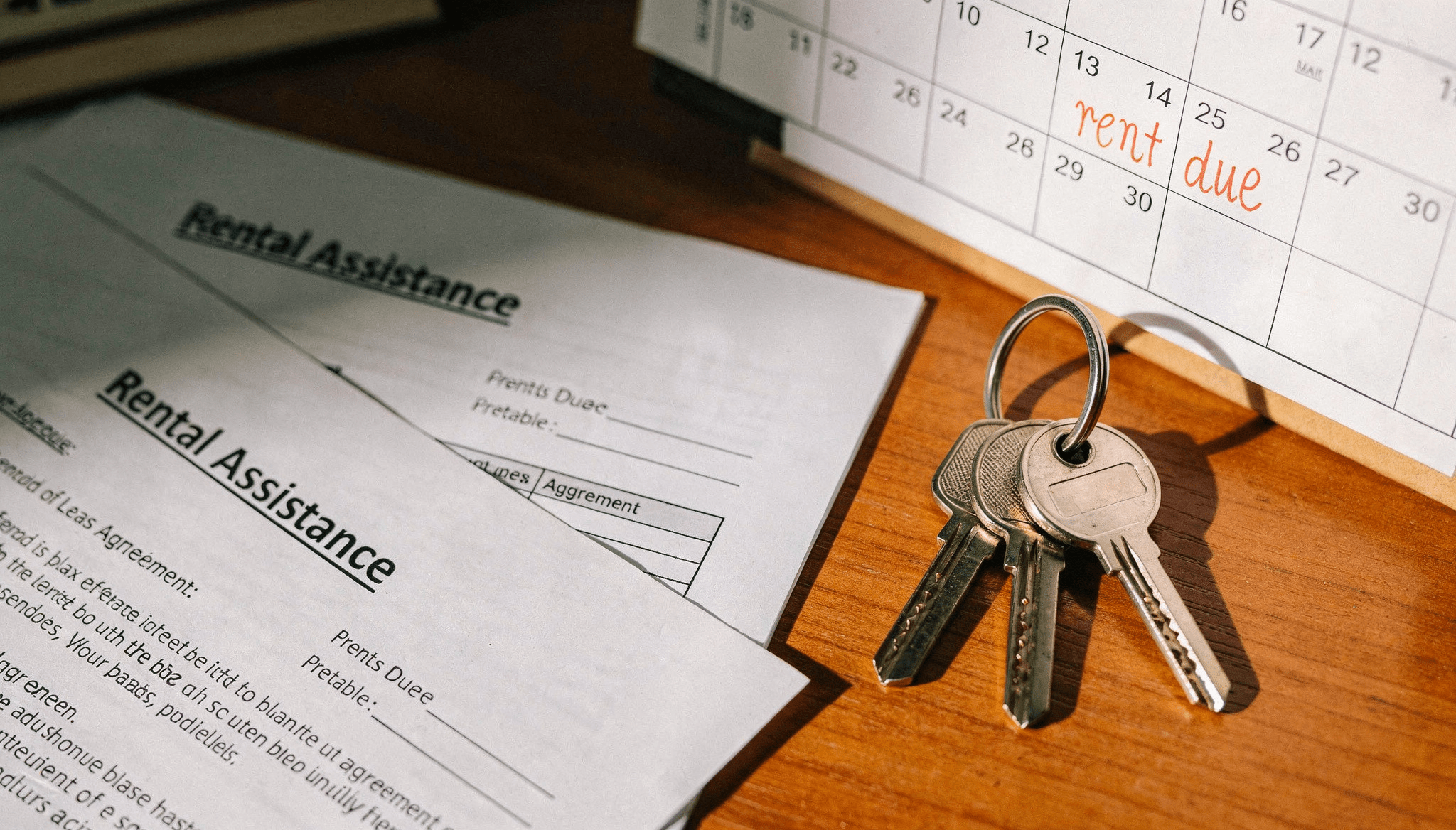
Falling behind on rent can happen quickly. A job loss, medical emergency, reduced work hours, or unexpected expense can turn an affordable apartment into a financial crisis in just a few months. For renters facing late notices or the threat of eviction, online searches often lead to confusing promises about “free rent grants” or “government money for tenants.” The reality is more structured but also more reliable.
In the United States, legitimate rental assistance programs exist to help tenants catch up on rent and stay housed, especially during periods of temporary financial hardship. These programs are not loans, do not need to be repaid, and are designed to prevent evictions and homelessness. However, they are usually administered locally, have eligibility rules, and may be time-limited. Making them easy to miss if you don’t know where to look.
What Rental Assistance Really Is (and What It Isn’t)
Rental assistance refers to short-term or ongoing financial help that reduces or covers rent payments for eligible tenants. Most rental assistance programs pay funds directly to landlords or property managers, not to tenants as cash.
What rental assistance is:
- Non-repayable help for eligible households
- Focused on housing stability
- Often combined with utility assistance
- Administered through state or local agencies
What rental assistance is not:
- A personal cash grant you can use for anything
- Guaranteed or unlimited
- Available without documentation
USA.gov clearly explains that while housing assistance programs exist, the government does not provide unconditional “free money” grants for personal use.
https://www.usa.gov/help-with-housing
Emergency Rental Assistance Programs
Emergency Rental Assistance (ERA) programs are designed to help renters who are behind on rent or at immediate risk of eviction due to financial hardship.
Assistance may cover:
- Past-due rent
- Current or future rent (often limited)
- Utilities tied to housing
- Late fees or court costs (in some cases)
USA.gov provides an overview of rental assistance programs and how to find them locally.
https://www.usa.gov/rental-housing-programs
These programs are typically funded with federal dollars but administered by states, counties, or cities, which means availability and application rules vary widely.
Who Typically Qualifies for Rental Assistance?
While eligibility requirements differ by location, most rental assistance programs consider:
- Household income (often at or below a percentage of area median income)
- Financial hardship (job loss, reduced income, medical bills)
- Risk of eviction or housing instability
- Residency within the program’s service area
Many programs prioritize households with:
- Children
- Seniors
- People with disabilities
- Survivors of domestic violence
- Individuals facing court-ordered eviction
Because funding is limited, applying early is critical.
Housing Choice Vouchers (Section 8)
The Housing Choice Voucher Program, commonly known as Section 8, provides longer-term rental assistance by subsidizing rent in the private market. Tenants generally pay about 30% of their income toward rent, with the voucher covering the remainder.
Program overview:
https://www.hud.gov/program_offices/public_indian_housing/programs/hcv
Important realities:
- Waiting lists are common and may be closed
- Vouchers are not immediate emergency aid
- Eligibility is income-based and location-specific
While not a solution for immediate rent arrears, Section 8 can provide long-term stability once secured.
Public Housing as a Stabilization Option
Public housing offers affordable rental units owned and operated by local housing authorities. Rent is typically based on income, making it an option for households with very limited earnings.
HUD public housing overview:
https://www.hud.gov/topics/rental_assistance/phprog
As with vouchers, waitlists may be long, but applying early can be an important step toward long-term housing security.
Homelessness Prevention and Rapid Re-Housing Programs
For renters at immediate risk of losing housing (or who have already lost it) homelessness prevention and rapid re-housing programs may be available through local Continuums of Care.
These programs may provide:
- Short-term rental assistance
- Security deposits
- Help finding new housing
- Case management and support services
HUD coordinates these programs locally rather than through a national application.
https://www.hud.gov/program_offices/comm_planning/coc
These programs are often accessed through shelters, nonprofits, or referrals rather than direct online applications.
Help for Renters Facing Eviction Right Now
If you are facing eviction:
- Contact your local rental assistance program immediately
- Respond to court notices (do not ignore them)
- Seek legal aid if available
USA.gov provides guidance on eviction help and tenant rights.
https://www.usa.gov/eviction-help
Some communities offer eviction diversion programs that connect tenants with assistance before eviction proceeds.
Why Rental Assistance Feels Hard to Find
Rental assistance often feels “hidden” because:
- Programs are locally run
- Funding opens and closes
- Applications may require landlord cooperation
- Demand often exceeds supply
As a result, renters frequently learn about assistance only after receiving eviction notices.
One of the fastest ways to find local rental help is by contacting 211, a nationwide referral service.
https://www.211.org
https://www.fcc.gov/consumers/guides/dial-211-essential-community-services
Avoiding Rental Assistance Scams
The Federal Trade Commission warns renters to watch for scams that:
- Promise guaranteed rental assistance
- Charge fees to apply for government programs
- Claim they can “speed up” housing vouchers
- Request payment via gift cards or wire transfers
Official scam guidance:
https://consumer.ftc.gov/articles/rental-listing-scams
Legitimate rental assistance programs do not charge application fees.
What to Do If You’re Behind on Rent
If you’re struggling to keep up:
- Contact your landlord and explain your situation
- Apply for local rental assistance immediately
- Call 211 for referrals to emergency housing help
- Check USA.gov for verified rental assistance resources
https://www.usa.gov/rental-housing-programs - Seek legal aid if eviction proceedings begin
Acting early increases the likelihood of receiving help.
Conclusion
Falling behind on rent is a stressful and often isolating experience, but renters in the United States are not without options. Emergency rental assistance, housing vouchers, public housing, and homelessness prevention programs all exist to help tenants regain stability during financial hardship. These programs are not “free money” schemes, they are targeted, non-repayable supports designed to keep people housed and prevent eviction. While the system can feel fragmented and difficult to navigate, relying on official government resources, local assistance networks, and trusted referrals can make a real difference. With the right information and timely action, rental assistance can provide the breathing room many households need to catch up on rent and stay in their homes.
Frequently Asked Questions
Does rental assistance pay me directly or my landlord? Most rental assistance programs pay funds directly to your landlord or property manager, not to you as cash. This keeps the assistance tied specifically to housing stability rather than functioning as a general purpose payment.
Who gets priority when rental assistance funding is limited? Many programs prioritize households with children, seniors, people with disabilities, survivors of domestic violence, and those already facing court ordered eviction. Because funding is limited and demand is high, applying as early as possible improves your chances even if you fit one of these priority groups.
I’m already facing an eviction notice, what should I do first? Contact your local rental assistance program immediately and respond to any court notices rather than ignoring them, since ignoring a notice can cost you options. Look into whether your area has an eviction diversion program, which connects tenants with assistance before eviction proceeds, and seek legal aid if it’s available to you.
Is a Section 8 voucher the same as emergency rental assistance? No, they solve different problems. Section 8 vouchers provide longer term help by subsidizing rent so you generally pay about 30% of your income toward it, but waiting lists are common and it isn’t designed for immediate emergency needs, while emergency rental assistance is meant to address current or past due rent right now.
What’s a mistake renters commonly make when they fall behind? The biggest mistake is waiting until an eviction notice arrives before reaching out for help, since programs are locally run, funding opens and closes, and demand often exceeds supply. Contact your landlord to explain your situation, apply for local rental assistance right away, and call 211 for referrals as soon as you sense trouble, rather than after it becomes urgent.





Leave a Reply